 심천 워싱 기술 유한공사


Cost Of CNC Machining: What Affects & How to Save It?
CNC machining costs may vary depending on different factors, as discussed below:
1. CNC Machine Costs
Machining cost changes with the change of the type of machine. Mainly, there are two types of machines that are being used for manufacturing parts using CNC machining, i.e. 3 3-axis and multi-axis machines.
The machine cost is also dependent on various factors like the size & weight of the machine, speed, power, and machine configuration.
The machining cost is calculated per hour, and the approximate cost of 3-axis CNC machining is around 40$ per hour, while for CNC turning machines, it is about 35$ per hour. The hourly rate of CNC machining using multi-axis machines is comparatively higher, ranging between 75$ and 125$.
Due to the involvement of more complex parts, CNC milling is more expensive than other types of machining operations. The machining expenditures increase with the increase in axes of the milling machines. For example, in the case of 5-axis machining, it costs more as compared to 3-axis machines.
2. Machining Time
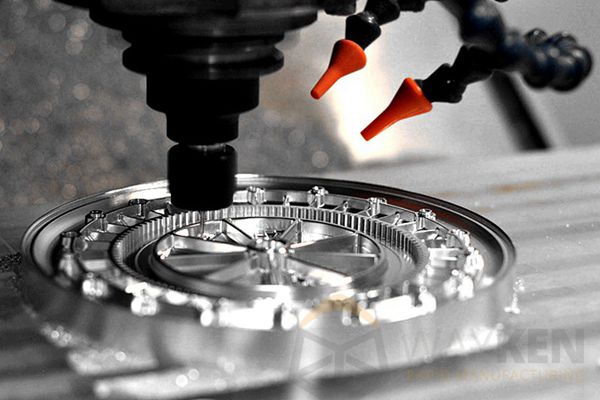
The time required for the complete machining of any CNC machined part also plays a vital role in the calculation of the CNC machining cost. It is the rule of thumb that the more time taken for machining more the cost of the machining, which adds up to the basic setup cost.
Software like CAM, which requires a 3D CAD design model, can provide the estimation of the time required for the completion of the project. A project with a high level of complexity requires more hours to complete.
3. Labor
One of the advantages of CNC machining, as compared to manual machining, is that it reduces the number of laborers that are involved in manufacturing. The primary cost of the labor is of the expert designer who designs the 3D CAD design model for the machining, which increases with the complexity of the desired product.
This cost remains the same even if you are required to manufacture more parts, which reduces the per-part machining price. Then, the additional cost is of the labor that operates the CNC machine, which also increases with the increased hours required for complete machining of the part.
The extra cost is added to the labor cost if manual work is done to assemble, finish, and post-process the parts. The extra labor cost is also added if the finished product is being delivered from the machine shop to the client at a different location.
4. Material Costs
The material costs are also imperative in calculating the cost of CNC machining. The price of the final product made by a CNC machine depends on the type of materials from which you are required to make the product is made. You may be required to make part of plastic or metal materials.
As the plastic materials are cheaper and less durable, the machining cost of plastic or aluminum material is less compared to stainless steel. As in CNC machines, the material is removed from the solid blocks to make the 3D object. So, the required raw material will be more than the material of the final product.
The machinists buy the materials in the form of solid blocks and calculate the expense of the product per block. The most commonly used metals in CNC machining are aluminum, stainless steel, and brass.
Due to the economical prices and excellent machinability of aluminum, most machinists use aluminum in CNC machines.
Stainless Steel and brass result in higher costs due to poor machinability relative to aluminum. The titanium alloy is the most expensive of all these metals, so the machining cost of this metal will be the highest because it may require some special tools to manufacture the parts.
In case of the plastics, the price of the bulk material is less, the tools required also cost less, and less time is required to machine the plastics like Nylon, Delrin, and ABS.
5. Surface Finish and Post-Processing
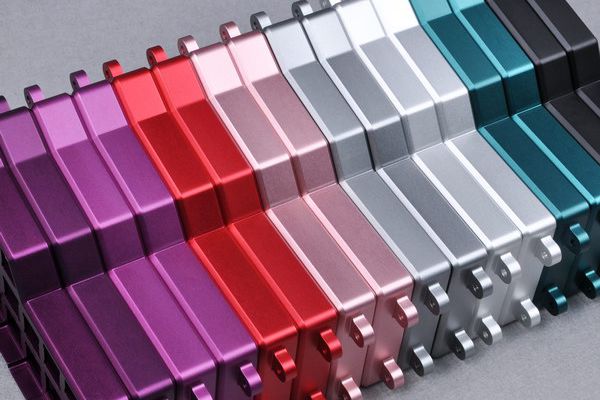
After machining, most parts come out with scratches and marks that may not be ideal for direct use at the time. This is where CNC machining surface finishes come in. This extra process will help conceal those unwanted marks and apply a protective coating to the part.
Although these post-processing activities are important, they usually attract extra costs. This process is totally separate from CNC machining and may even need extra tools and materials to be completed. Some of the common finishes include sanding, coating, anodizing, painting, chroming, blacking, galvanizing, brushing, and water transferring.
6. Quantity
The volume of the order tremendously affects the cost of the final product. It is true that the overall cost will increase with the increase of required finished parts, but the cost per part will decrease.
7. Tooling Cost
In some cases of manufacturing, standard tooling is not useful, so custom tooling is required, which also increases the manufacturing cost using CNC machines.
8. Design Complexity
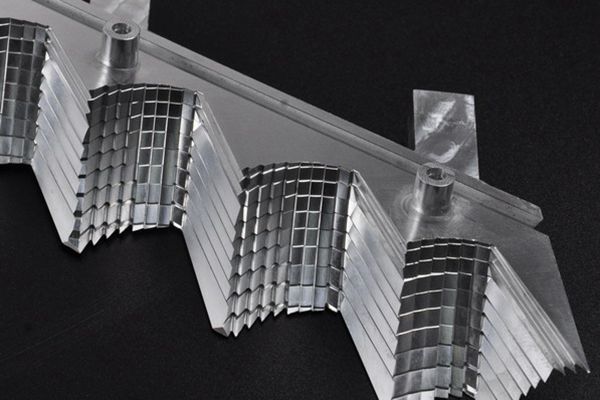
It can be difficult to reproduce some designs, especially when they have unique lines and shapes. Most times, manufacturers spend many hours programming and setting up the machine and cutting tools. This long process would certainly affect the final CNC machining price.
To achieve features like deep pockets and undercuts, you may also need to get special tools or multi-axis CNC machines, which leads to a higher cost. A simpler design with fewer tool changes and repositioning would always be more cost-effective than a detailed one.
Understanding Hourly Rates Of CNC Machining
Most CNC manufacturers charge their cost per hour while factoring in other occurrences. So, the next time you get an estimate, know that your process is unique and your pricing may differ from the next person.
The key factors that can influence the hourly rates for CNC machining include:
Types of CNC Machines
The cost of operating each machine differs. For instance, the hourly rate of a standard 3-axis CNC mill should be between $40 – $80, while a high-end 5-axis CNC machining tool will set you back by $75 – $200 per hour. Other specialized tools like routers, lathes, and EDM machines also have their unique costs.

Tooling and Maintenance
The type of material you use and the consistent use of the cutting tool can lead to wear and tear. A CNC machining expert will also include the cost for tool repair, replacement, and maintenance in the hourly charges.
Machining Speed and Efficiency
A fast CNC machine will take less time to shape a tool and reduce the time you would naturally use in setting up and arranging the machine. This efficiency causes them to be more costly than other slower machines.
Labor and Setup Costs
Although CNC machining is largely automated, there is still a need for programmers and skilled operators to control the process. Complex projects that require multiple setups and detailed programming can increase the overall machining cost per hour.
Overhead and Shop Location
The operational overhead, like electricity, rent, and insurance, can affect its pricing. A CNC machine shop’s location also affects the hourly rates; shops in a developed area will certainly have higher rates than those in developing areas.
How To Calculate CNC Machining Cost?
Have you ever wondered why the CNC machining cost for each project is different? The secret lies in the details that go into the CNC machining cost calculation. From raw materials to labor costs and machine time, several factors affect the price.
If you’re looking to calculate CNC machining cost, ensure you:
Factor in Material Costs
Your choice of CNC machining materials would directly affect the amount of raw materials you will get. To calculate the material cost, you need to multiply the volume of the material you need by its cost per unit.
For example, you may need up to 20 kg of aluminum to bulk produce multiple parts, and it costs $10 per kg. With no extra preparation cost, the material should cost $200 ($10 x 20 = 200)

Determine the Machining Time
The amount of time you spend creating a part will definitely affect its price. You can, on your own, calculate the machine time by dividing the total length of the material by the machine’s cutting speed.
For instance, if the volume of material the machine will remove is 20 cubic inches and the average material removal rate is 0.5 cubic inches per minute, the total machining time for this process would be 40 minutes (20 cubic inches/ 0.5 cubic inches = 40).
Calculate the Machine’s Hourly Rate
Most CNC machines already come with a fixed hourly rate that factors in the type of machine, location, and the ease of operation. If the hourly rate for a machine is $100, you should have up to $300 to cover for 3 hours.
Include Labor and Setup Costs
Include the cost of hiring skilled labor to handle tasks like setup, programming, and production supervision. If you’re not sure, you can create an estimate based on the expected labor hours and the CNC machine shop’s hourly rate.
Account for Additional Expenses
Apart from the costs we’ve listed above, you should also prepare for additional expenses like surface treatment, tight tolerances, and other packages. Some special finishes may also lead to extra expenses.
Strategies For Reducing CNC Machining Costs
Before the start of the project, is calculated how much will be the CNC machine is calculated. While manufacturing the parts with the CNC machining process, one should try to minimize the machining cost.
There are some fixed requirements from the client that can’t be modified, but still, there are different methods to reduce the machining cost as follows:
1. Increase Batch Production
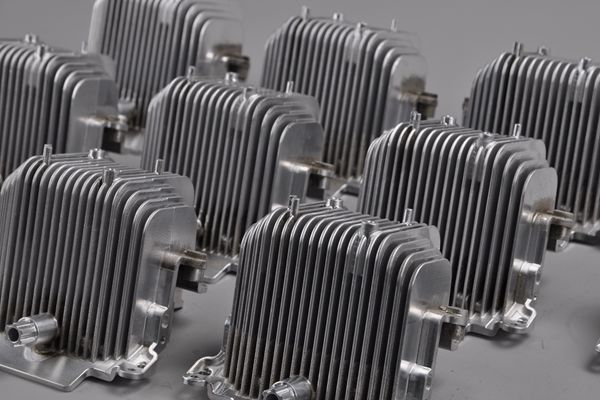
The more pieces you produce, the cheaper the cost of CNC machining will be. Before you start production, plan your schedule to minimize downtime and also use CNC programming to make bulk production easier. If you need repeat orders, work with a CNC machine shop that offers volume discounts.
2. Be Wise in Material Selection
In order to reduce the cost of the product, special attention should be paid to the selection of materials. Materials with good mechanical properties will have lower processing costs. Keeping in mind the function of the product, you must choose the best available material that is easy to process. There is a difference in price between plastic and metal materials. Of course, you can follow the needs of your project and let your manufacturer give you more advice on material selection.
3. Use the Right Type of CNC Machine
To ensure you get the best results, you should use a machine that can effectively handle your material and give you high-quality parts. For instance, a standard 3-axis machine may be cost-effective, but it does not match the versatility of a 5-axis machine. There are different CNC 기계의 유형 that can easily fit your budget and preferences.
4. Reduce Machining Time and Tool Wear
The longer a part stays on a machine, the higher the machining price is likely to be. So, the goal is to reduce the machining time without producing a substandard part. You can achieve this by prioritizing CNC programming; use the right tools, and you’re good to go. If possible, you can forego unnecessary surface finishes.
5. Design Optimization
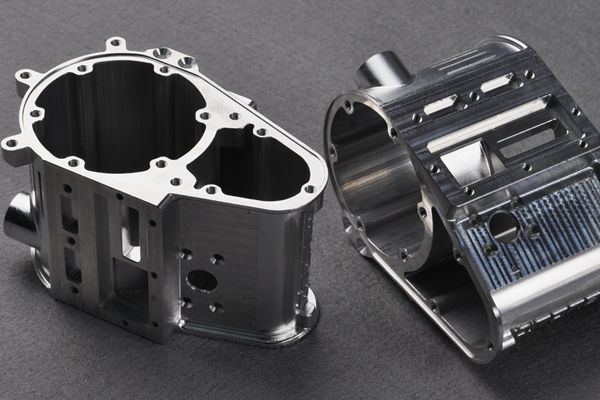
If some features of the product don’t affect the functionality, the design should be optimized to avoid machining those features, which will reduce the production cost.
5.1 Consider Hole Sizes and Profiles
When fabricating your CNC parts, you should ensure that your part features (e.g., holes, contours, slots, threads, etc.) can be made with standard toolings commonly available. Custom hole and thread sizes will need special tools, which can be quite expensive. There are many references about standard sizes used in the machining industry available on the internet.
5.2 Avoid Thin Walls and Deep Cavities
Thin-walled parts and deep cavities are very challenging to achieve through machining, and they are usually prone to dimensional inaccuracies. These parts’ features tend to cause vibration on the part and sometimes lead to the scrapping of parts.
5.3 Avoid Requiring Very Tight Tolerances
Parts with tighter tolerances are significantly harder to achieve, hence making them expensive. Only control a dimension if it is essential to the part’s overall functionality. One great piece of advice we can give you is to design your part to have one common reference point or datum. This will both help you and the machinist. First, you, to minimize the dimensional controls you need to put on a part, and second, the machinist, to lessen the inspection time, which also reduces costs.
5.4 Convert One Piece of a Complicated Part into Modular Components Instead
When one part gets too complex, it is advisable to split the whole part into multiple components to be assembled. This will make machining much easier and simpler. It significantly reduces set-up time, lessens machining operations, and optimizes machining time. This is a strategy commonly used by designers to promote a part’s manufacturability and lessen its fabrication cost.f
6. Consider CNC Machining Outsourcing
If you’re a small business owner who cannot produce parts on your own, CNC machining outsourcing can be a cost-effective solution for you. There are several CNC machine shops with the equipment and expertise to handle your production. Compare the prices of different suppliers to ensure you get the best balance of price and quality.
Looking for more tips to save the cost of CNC machining? Let’s check this video.
권장 사항
브리지 생산 및 제조: 주요 단계 및 이점
최종 생산 공정을 채택하려면 특히 프로토타입 제작이나 소량 생산 과정에서 수많은 시행착오와 실패가 수반되는 경우가 많습니다. 기업은 접근 방식에 확신을 가질 때까지 일시적으로 생산 방법을 선택할 수 있습니다. 브리지 생산은 이러한 임시적인 전략을 말하며, 보다 안정적인 제조 프로세스를 개발하는 동안 지속적인 운영을 가능하게 합니다. 브리지 생산을 이해하는 것은 제품 개발을 개선하고 운영을 가속화하기 위해 매우 중요합니다. 이 문서...

가공 공정에서 기계 충돌을 피하는 방법은?
기계 충돌은 프로토타입 및 부품 가공에서 항상 피할 수 없는 과제였습니다. 공구 설정 실패와 같은 작업자 오류는 충돌로 이어질 수 있습니다. 이는 공구 파손, 공작물 폐기, 재료 재주문 및 재가공으로 이어질 수 있습니다. 또한 자동 공구 세터가 없는 경우 Z값 데이터 오류 입력 시 수동 공구 설정도 기계 충돌을 일으킬 수 있습니다. 이 기사에서는 이러한 문제를 방지하는 데 도움이 되는 요약된 경험을 공유합니다. Bef...

Types Of Milling Explained: Know All Milling Operations
Milling is inarguably the backbone of the manufacturing industry, playing a direct role in high-quality production in industries including aerospace, automotive, medical, and defense. Milling operations are highly versatile and capable of handling complex geometries with precision and speed. In this article, we will discuss the fundamentals of CNC milling and explain various milling operations, helping to choose the right milling type for your applications.Milling is a machining process t...
CNC 가공 중 크고 얇은 쉘 부품의 뒤틀림과 변형을 방지하는 방법은 무엇입니까?
크고 벽이 얇은 쉘 부품은 가공 중에 뒤틀리고 변형되기 쉽습니다. 이번 기사에서는 벽이 크고 얇은 부품의 방열판 케이스를 소개하여 일반 가공 공정에서 발생하는 문제점에 대해 설명합니다. 또한 최적화된 공정 및 픽스처 솔루션도 제공합니다. 그럼 시작해 보겠습니다! 케이스는 AL6061-T6 재질로 만들어진 쉘 부품입니다. 정확한 치수는 다음과 같습니다. 전체 치수: 455 * 261.5 * 12.5mm지지 벽 두께 : 2.5mm방열판 두께 : 1.5mm그는 ...